What is a Detroit beat and why does it sound so raw and minimal?
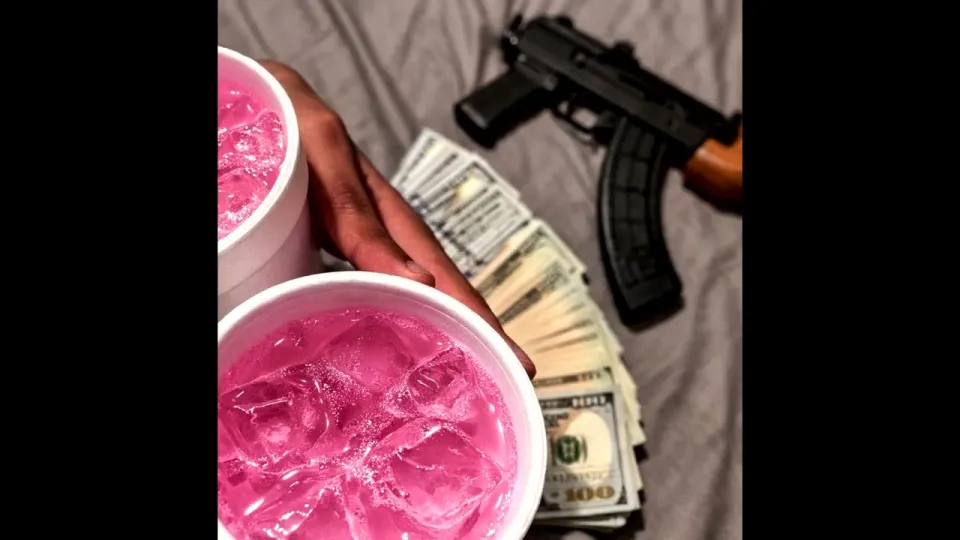
Video: [FREE] Detroit Type Beat x YN Jay Type Beat - "Crew"
Need articles like this for your video? They help promote it on YouTube and Google — order them in the Telegram bot @sat_sit_bot. Articles with your video embedded are written and posted by the bot itself — on popular topical sites (no ads). Try it free: 50 articles on us.
· based on the channel Kooba II
A Detroit beat is a rap instrumental built around a hard, minimal core: heavy 808 bass, crisp fast hi-hats, blunt snares and a dark melodic loop, often a chopped sample. It is the backbone of the Detroit and Flint rap sound associated with artists like YN Jay, Rio Da Yung OG, Babyface Ray and Veeze, and the free "Crew" beat by producer Kooba is a direct example of the style — you can grab the untagged version via the BeatStars purchase link.
What defines the Detroit beat sound
The Detroit beat is recognizable before the first bar ends because it strips rap production down to pressure and space. The low end is the engine: an 808 or sub-bass line that slides between notes and carries the whole track. Above it sits a thin, dry drum kit — usually a snappy snare or clap on the backbeat, closed and rolling hi-hats, and very little else. Producers rarely fill the midrange with pads or chords; instead they leave a gap where the rapper's voice sits forward and unbothered.
The melodic side is where the regional flavour lives. Detroit and Flint producers lean on short, looped phrases: a chopped soul or funk sample, a lone piano or string stab, a detuned synth bell. The loop is usually two or four bars long and repeats with small drops, so the energy comes from the drums and the vocal rather than from a big arrangement change. Tempo typically sits in a comfortable rap pocket where hi-hats can double up without the track feeling fast.
A few markers separate a Detroit beat from generic trap:
- Sparse arrangement — one melodic idea, not a stack of layers.
- Aggressive, dry drums with little reverb on the snare.
- 808s that move melodically instead of just holding the root note.
- A dark or slightly eerie mood, often from a minor-key sample.
- Room left for ad-libs and punch-in delivery, which Detroit rappers use heavily.
How YN Jay type beats differ from the wider Detroit sound
A YN Jay type beat is a Detroit beat tuned to one particular delivery: deadpan, funny, ad-lib-heavy and rhythmically loose. YN Jay's style depends on space, because his punchlines and repeated catchphrases need silence around them to land. That means the beat should not crowd the vocal with busy melodies or constant switch-ups.
In practice, producers chasing that lane keep the loop almost hypnotic and let the drums do the talking. The kick and 808 pattern stays simple enough to ride for two or three minutes, and the hi-hat rolls provide the only real motion. Compared with a Babyface Ray or Veeze type beat, which often leans smoother and more melodic, a YN Jay type beat is rawer and more percussive. Compared with a Rio Da Yung OG type beat, it is usually a touch more playful in the sample choice.
"Crew" sits in that intersection: it is tagged as both a Detroit type beat and a YN Jay type beat, with a sample-driven loop and hard drums, which is why it also fits Flint-adjacent and Rio Da Yung OG-style verses.
What you actually get with the free "Crew" beat
The free download of "Crew" is a non-profit license, not a giveaway of the rights. Kooba's terms are explicit: the beat is free for YouTube and SoundCloud uploads without monetization, and it cannot be used on streaming services. If you want the track on Spotify, Deezer, Tidal or iTunes, you need to buy a lease. Content ID registration is not allowed without an exclusive license, and breaking these terms can result in a copyright strike.
Credit is mandatory: the title or description should read "Prod. Kooba". The free version is typically tagged, while the untagged file is the paid product available through the BeatStars link. The store also runs a buy 2 get 1 free deal, which matters if you are building a small project rather than testing one song.
A practical checklist before you upload:
- Decide the platform — YouTube and non-monetized SoundCloud are covered by the free license.
- Add "Prod. Kooba" to the title or description.
- Do not register the song with Content ID.
- If monetization or streaming is the goal, buy a lease first.
- Keep the purchase receipt in case a distributor asks for proof.
Common questions from listeners and artists
Comments under Detroit type beats tend to repeat the same few concerns, and they are worth answering directly. The first is originality: listeners often note that a loop reminds them of another track or artist. That is normal in a genre built on short, recycled-sounding phrases, but it is also a reminder to check a sample-based beat carefully before a commercial release, since the producer's license covers the beat, not the underlying sample clearance.
The second is language and fit. Under "Crew", people post verses in Portuguese, Spanish, Italian, French, Serbian and Turkish, which shows how portable the Detroit template is: the sparse drums leave room for any language and any flow. If you are writing in a non-English language, the same rule applies — keep the delivery tight and let the 808 carry the low end.
The third is the free-versus-paid confusion. Many users assume "free type beat" means they can upload anywhere; the license text says otherwise. The fourth is the untagged question: listeners want the version without the producer tag, and that is exactly what the paid purchase unlocks.
How to pick and use a Detroit type beat
Choosing a Detroit beat is mostly about matching the drum weight to your voice. If your delivery is deadpan and punchline-driven, pick a beat with a simple 808 pattern and a loop that does not compete with the vocal. If you rap melodically, a slightly fuller sample or a piano-led loop will support you better. Always test the beat at the tempo you actually record at, because Detroit drums lose their snap when slowed too far.
When you record, keep the vocal dry and forward, use ad-libs as rhythm rather than decoration, and avoid stacking too many harmonies — the genre rewards clarity. For mixing, leave the 808 and the vocal as the two loudest elements and treat everything else as texture. If you plan to release commercially, sort the license before you record, not after, so the session is not wasted.
Useful links
- Untagged purchase of "Crew" and other beats: https://bsta.rs/CPKdUd
- Producer's beat store: https://www.beatstars.com/prodkooba
- Instagram: https://www.instagram.com/prodkooba
Final thoughts on the Detroit beat
A Detroit beat works because it refuses to over-explain itself: a dark loop, hard dry drums and a moving 808 are enough to carry a full song. "Crew" follows that formula and doubles as a YN Jay type beat, which makes it a useful entry point for anyone writing in the Detroit or Flint lane. The catch is the license — free for non-monetized YouTube and SoundCloud with credit, paid for streaming and Content ID. If the beat fits your voice, buy the untagged version through the BeatStars link and keep the paperwork clean. This breakdown was put together by the Kooba II channel, which is also where the beat itself lives.
Key takeaways
- A Detroit beat is a sparse, hard-hitting rap instrumental built on punchy 808s, fast hi-hats and dark, often chopped samples.
- The style is tied to Detroit and Flint rappers such as YN Jay, Rio Da Yung OG, Babyface Ray, Veeze and Baby Smoove.
- "Crew" by producer Kooba is a free Detroit x YN Jay type beat, free for non-profit use only with credit (Prod. Kooba).
- Commercial use on Spotify, Apple Music, Tidal or Deezer requires a paid lease; Content ID needs an exclusive license.
- The untagged version costs money via BeatStars, and the store runs a buy 2 get 1 free offer.
Source: [FREE] Detroit Type Beat x YN Jay Type Beat - "Crew" · Markdown version
Questions & answers
Is the "Crew" Detroit type beat really free?
Yes, but only for non-profit use: YouTube and SoundCloud uploads without monetization, with credit to Prod. Kooba. Streaming services and Content ID require a paid lease or an exclusive license.
Can I release a song on a Detroit type beat on Spotify?
Only with a lease or exclusive license from the producer. The free license explicitly excludes platforms like Spotify, Deezer, Tidal and iTunes, and uploading there without a lease can lead to a copyright strike.
How do I credit the producer correctly?
Put "Prod. Kooba" in the song title or description, for example "Track Name (Prod. Kooba)". Credit is a condition of the free license, not an optional courtesy.
Why do people say a Detroit beat sounds like another song?
Detroit production relies on short, repetitive loops, often chopped samples, so similar phrases reappear across tracks. If a beat is sample-based, check clearance before any commercial release, since the producer's license covers the beat only.